Describe the Effect of the Growth of the Plantation Economy
The Plantation Economy Model. Describe the effect of the growth of the plantation economy.

Plantation Legacies Edge Effects
Many factors played a part in the existence of slavery in colonial America.

. There was an increased demand for indigenous workers and there was physical migration. Plantation economies rely on the export of cash crops as a source of income. The acquisition of foreign sugar colonies led to increased colonial sugar production resulting in a decrease in prices.
The pure plantation economy phase experienced periods of expansion and recession which coincided more or less with the fortunes of the single staple export in the metropolitan or European market. A plantation economy is an economy based on agricultural mass production usually of a few commodity crops grown on large farms called plantations. It could vary from education of employees to new technologies to education of the children the future generation.
Because the Souths economy was based on agriculture the demand for agricultural labor led to the foundation of slavery. Plantation economies rely on the export of cash crops as a source of income. Following the United States purchase of the massive Louisiana Territory from France in 1803 sugar production surged and southern plantation owners purchased huge numbers of slaves to produce crushed cane for use in a variety of products including molasses and rum.
Slavery was a practice in many countries in the 17th and 18th centuries but its effects in human history was unique to the United States. It also resulted in a society that was deeply split along social class lines. The introduction of plantation economy by the British essentially disrupted the livelihoods of the Indigenous populations along with obliterating their inherited rights over the regional forest resources.
Plantation Economy is a means of characterizing how Caribbean economies work by reference to their historical origins. 5Economic Growth and Education. The theory of the plantation economy was one of the earliest attempts to understand the Caribbean economy within its own terms.
The most commonly used phrase describing the growth of the American economy in the 1830s and 1840s was Cotton Is King We think of this slogan. Plantation labor shifted away from indentured servitude and more toward slavery by the late 1600s. Overall this increased the demand for slaves in the Americas and led to social economic and demographic changes.
The economic crisis of the slave plantation economy coincides with the rise of industrial capitalism with its hostility to market restrictions and to the subsidy to the planter élite. The most noticeable was the effect that it had on the personal and financial growth of the people and the nation. Because these crops required large areas of land the plantations grew in size and in turn more labor was required to work on the plantations.
It emphasizes the structuralist origins of the body of knowledge and reunites it with the new structuralism of Jose Antonio Ocampo and the ECLAC perspective. Who were the first Europeans to set up trading posts on the African Coast. The longer a crops harvest period the more efficient plantations become.
State Building and Empire. Best Levitts Plantation Economy Models 1975. The increase in cotton farming made African American slaves a necessity to the white males.
As British colonists arrived in Virginia and divided the land into huge tracts ideal for cultivation the plantation system arose in the American South. Describe the effect of the growth of the plantation economy New labor systems were introduced such as indentured servitude and chattel slavery. Obtaining indentured servants became more difficult as more economic opportunities became available to them.
44 Maritime Empires Established Objective Key Developments Explain the process of state-building and expansion General Describe the effect of the growth of the plantation economy. A plantation economy is an economy based on agricultural mass production usually of a few commodity crops grown on large farms called plantations. One result is emancipation of the slave population and with this the end of the phase of pure plantation economy.
These foreign sugar plantations contributed 46 per cent of colonial sugar that was exported to the United Kingdom from 1830 to 1834. The theory of plantation economy and society has been developed to explain the experience and evolution of societies subjected to European-controlled sugarcane production by an enslaved African labor force and later by indentured Asian laborers mostly Indians. Along the way the principal problems blocking progress towards growth and development in the English speaking Caribbean are laid out.
With the continuous flow of immigrant laborers these tribes became marginalized not only economically but also culturally and were compelled to adapt to a. Lewis touched upon the core of dualistic non-antagonistic development and his analysis of the interactions between the two sectors provides a useful framework for understanding and development planning Premdas and Cyr 1991. Cyr 1991 also highlight the intrinsic theoretical.
Prominent crops included cotton rubber sugar cane tobacco figs rice kapok sisal and species in the genus Indigofera used to produce indigo. Economically the change from cultivating tobacco and rice to cotton helped immensely. It involved the overthrow of the Catholic king James II who was replaced by his Protestant daughter Mary and her Dutch husband William of Orange.
The theory explains why the Caribbean goes true alternating cycles of boom and bust why periods of boom are not-self. The high demand for cotton led to tremendous profits in the South and this drew the population to move to the prospering agricultural lands. Education plays an important role on the road to economic growth of an economy.
Literacy is important nowadays anywhere because it helps communicate easily and if needs be in different languages.

How Growing Your Own Food Can Benefit The Planet And Why You Should Consider It Grow Your Own Food Indigenous Education Free Plants

High Tunnels For Your Small Farm Greenhouse Farming Greenhouse Tunnel Greenhouse
2

A Green New Deal For Food And Farming Pesticide Action Network Agricultural Practices Farm Growing Food

Palm Oil Economic And Environmental Impacts Epthinktank European Parliament

Pin By Sarah David On Ecologie Climate Change Climate Justice Climates

What Is Agroforestry Ecomatcher Landscaping Inspiration Sustainable Garden Farming Techniques
2

Pin On Mulch Film

Cuba An Urban Agriculture Utopia Urban Agriculture Urban Farming Agriculture

Wakelyns Agroforestry Agriculture Plants Agriculture Permaculture Gardening Sustainable Agriculture
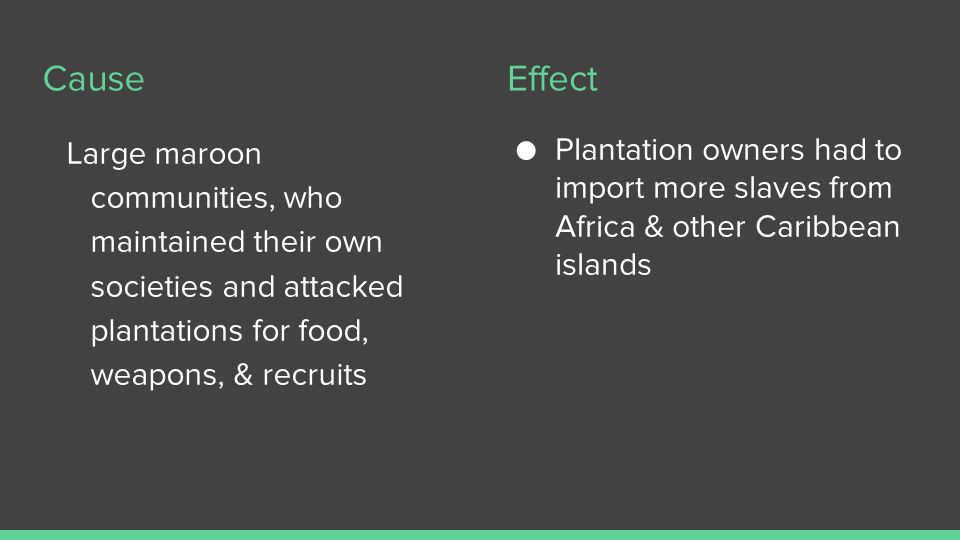
The Haitian Revolution By Emma Greenspan And Julianne Huynh Ppt Download

Oil Palm Plantation Cultivation Management Tips For Growers

Grow Anything Even Pineapples Hydroponics Hydroponic Gardening System Aquaponics

Effects Of Drying Methods On Nutrient Contents Of Moringa Oleifera Lam Leaves Codemint Economic Analysis Economics Soil Conservation
Palm Oil Deforestation How To Comply With No Cut Commitments

Freshwater Loss Could Double Agricultural Losses Tied To Climate Change Climate Change Fresh Water Climates
The Effect Of War On Food Prices Bbc News
2


Comments
Post a Comment